

Sofia uses digital participation to give residents a say in city spending
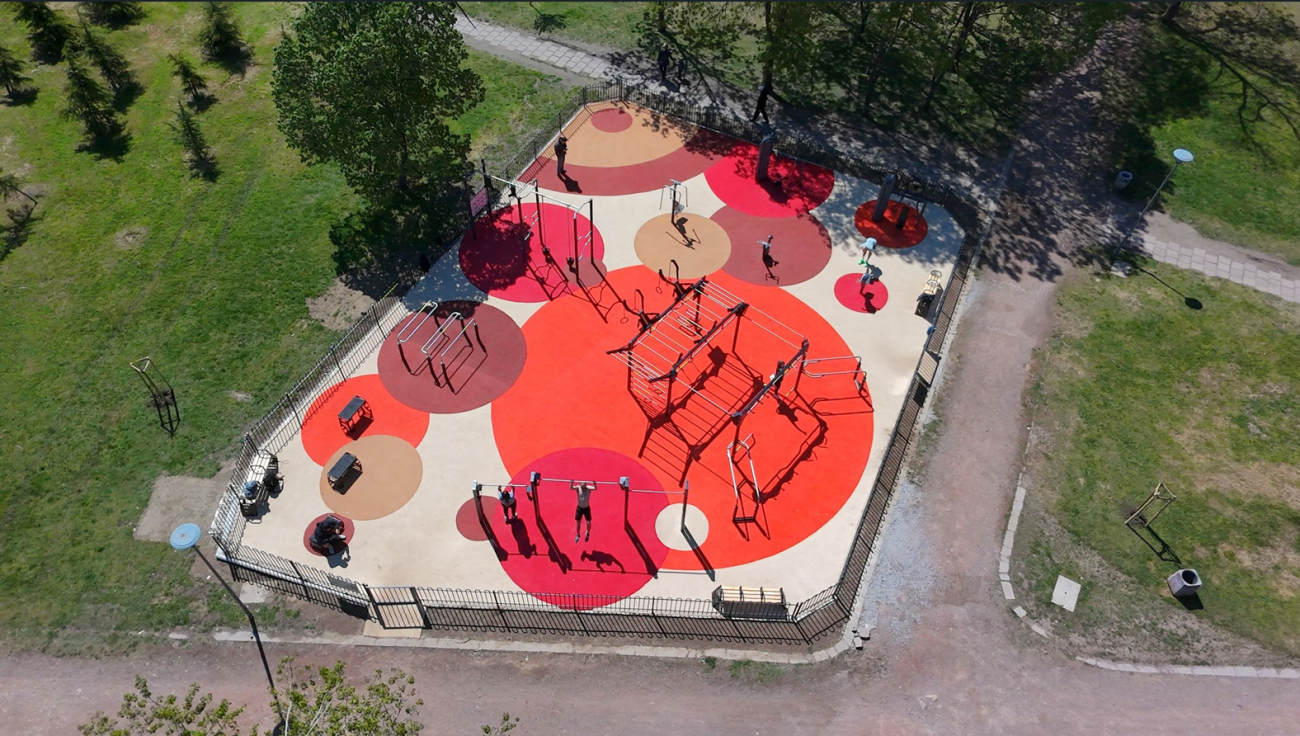
From new playgrounds and green spaces to mobility and cultural projects, residents in Sofia are increasingly helping decide how public money should be spent in their neighbourhoods. Through its Sofia Decides participatory budgeting platform, known locally as Reshava Sofia, the municipality is giving residents a direct role in proposing, developing and voting for projects that can improve their districts and the city as a whole.
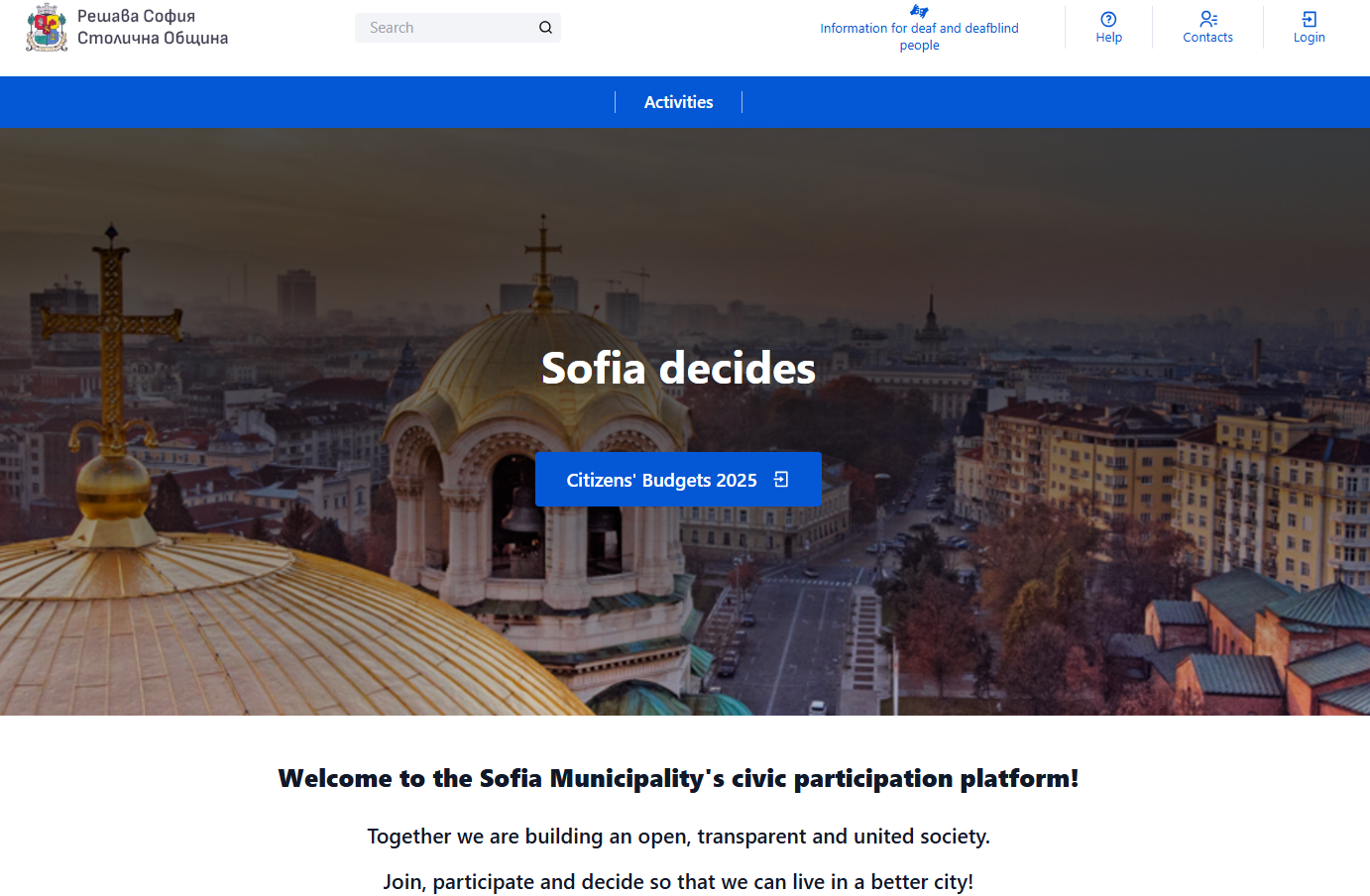
The initiative combines digital participation with cooperation between citizens, the municipality and Sofia’s 24 district administrations. Its aim is to make local decision-making more accessible and transparent, while strengthening civic participation and trust. “A modern city is built on shared leadership, where citizens are not passive observers but active participants in shaping their communities,” says Vasil Terziev, Mayor of Sofia.
Turning digital tools into democratic participation
Sofia Decides is based on Decidim, an open-source digital participation platform already used by other European cities (and beyond). Sofia Municipality adapted and localised the technology before launching its first fully structured digital participatory budgeting process in 2024.
For the city, however, digitalisation is not simply about moving an existing consultation process online. “The role of digitalisation is not simply to make public services faster, but to create new models of collaboration between institutions and citizens,” says Ivan Goychev, Deputy Mayor for Digitalisation and Information Systems, Sofia Municipality. The participatory budget is organised annually and takes citizens through several stages, from submitting an idea and municipal assessment to public voting and implementation. Residents can propose relatively small neighbourhood improvements, including playgrounds and green spaces, as well as larger citywide initiatives involving mobility, culture and urban development. The proposals themselves are also becoming more developed. Citizens increasingly submit detailed descriptions, preliminary budgets and visualisations. During the one-month 2025 campaign, more than 600 projects were proposed. As Terziev puts it, “the best ideas come from the people who experience the needs of their neighbourhood every day.”
Developing projects together
Citizen participation does not end once an idea has been uploaded. A central part of Sofia’s approach is the validation process involving Sofia Municipality and its 24 district administrations. Expert committees assess proposals to determine whether they are feasible, legally compliant and capable of delivering public value. At the same time, dialogue with residents continues as proposals are refined. This allows the city to combine local knowledge with the technical and administrative expertise needed to turn an idea into an achievable public project. It also makes the decision-making process more transparent, helping citizens understand what can be delivered and why.
Sofia Decides therefore aims to make participation more than a formal consultation. It creates what Goychev describes as “an ongoing dialogue, where residents contribute ideas, influence decisions, and help shape the future of their city.”
Making voting easier to access
Once eligible projects have been selected, residents vote online. Each citizen can vote once for a citywide project and for projects within the district corresponding to their permanent or current address. Voting can take place using a personal device or a tablet provided by the administration. In 2025, Sofia expanded access further by introducing mobile voting at designated locations outside administrative buildings. Combining digital participation with physical access points and assisted voting is important for ensuring that the process does not exclude people who may have less access to technology or need support using it. This makes the platform not only a digital innovation, but also a tool for widening participation in local democracy.
More citizens are taking part
Participation has grown significantly since Sofia introduced the structured process. In 2024, citizens cast 11,532 votes through participatory budgeting. In 2025, that figure more than doubled to 24,367 votes. The increase suggests that participatory budgeting is becoming a more established part of how residents interact with local government. Sofia’s experience also illustrates an important principle for digital democracy. Technology alone does not create participation. Citizens need to see that contributing an idea or casting a vote can lead to a real outcome.
From votes to visible change
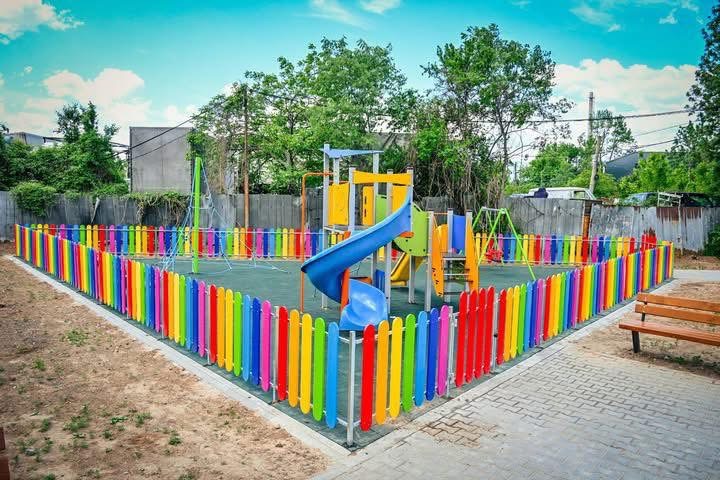
For Sofia, implementation is therefore one of the most important parts of the entire process. The credibility of participatory budgeting depends on completing the projects residents select. When people see tangible changes in their neighbourhoods, from new playgrounds and better lighting to cultural initiatives, the connection between participation and public decision-making becomes visible.
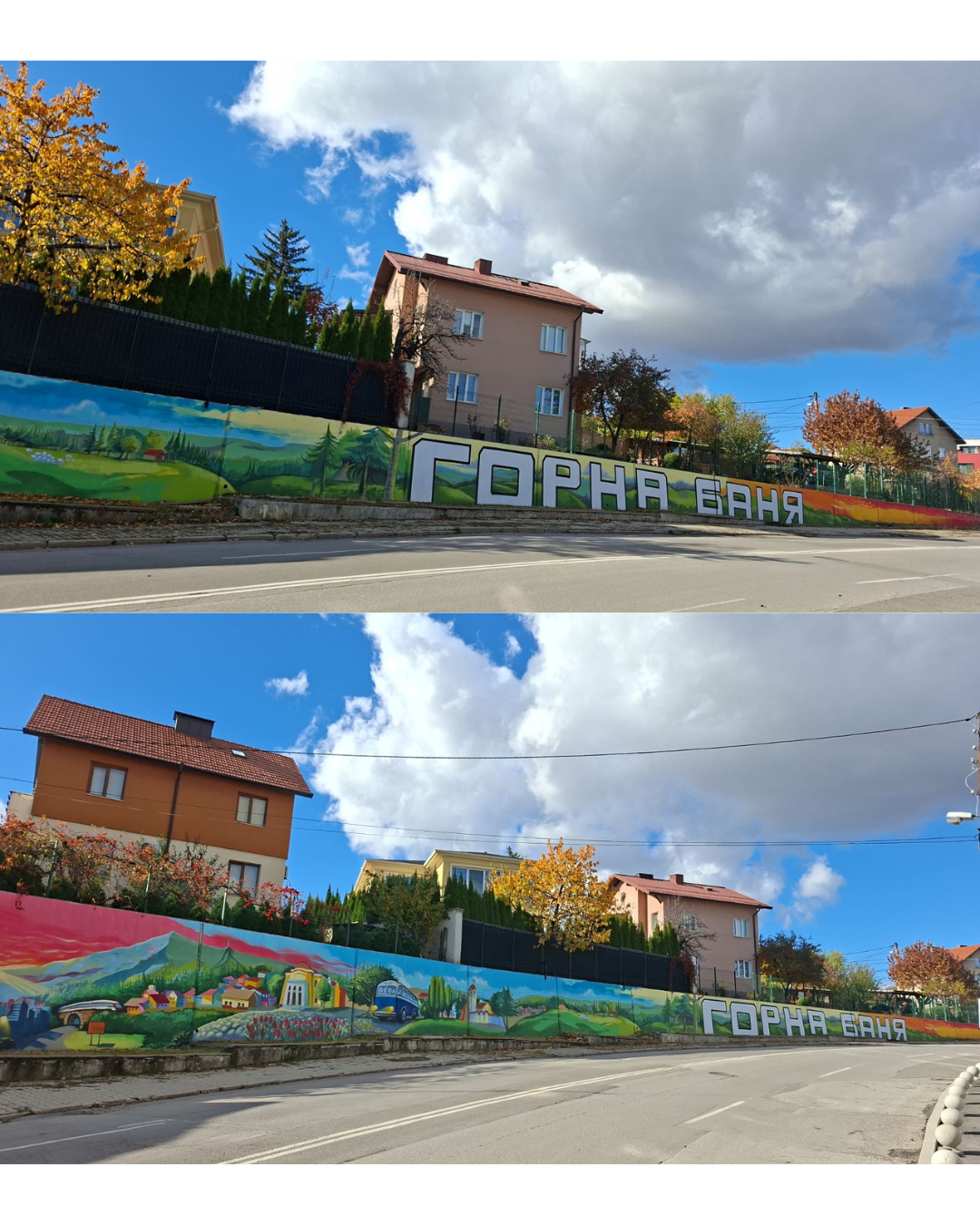
Citizens are also showing increasing interest in following projects after voting has finished and, in some cases, engaging directly with local administrations during implementation. This creates a cycle in which participation can encourage delivery and visible delivery can, in turn, encourage greater participation. It also reflects the wider philosophy behind the platform.
As Goychev explains, “Sofia Decides shows how technology can transform participation from a formal process” into a closer relationship between residents and their city government.
Building trust through participation
The impact of Sofia Decides goes beyond the individual projects that receive funding. By allowing citizens to propose priorities and influence local investment, the platform gives residents a more direct role in municipal decisions. At the same time, the validation and voting processes make decisions more visible and create greater shared responsibility between citizens and the administration. Physical and assisted voting options also help reduce barriers to participation, allowing a broader range of residents to take part in shaping their local environment. For Sofia, that connection between technology and people is central to the project. Technology can provide the infrastructure for participation, but the objective is to build a city in which residents have a meaningful role in shaping decisions affecting their communities.
Recognition beyond Sofia
The approach has also attracted recognition beyond the city. In 2024, Reshava Sofia received an award in the Public Administration category from the Bulgarian Association of Information Technologies, recognising its approach to citizen engagement and the digital transformation of municipal services. It also won first place in the Technological solutions for open governance and administrative services category at the Institute of Public Administration Awards and was subsequently included in its Best Practices Compendium for 2025.
This recognition reflects a model that other cities can learn from. Sofia’s experience shows that digital participation works best when technology is connected to a clear democratic purpose, when citizens are involved throughout the process and when their choices ultimately result in visible changes on the ground.
“Citizens involved in this initiative are not passive observers but active participants in shaping their communities,” says Terziev. “And that makes a huge difference.”
*********
The city of Sofia joined Living-in.EU in November 2024 and quickly became one of the most active members. Ivan Goychev, Deputy Mayor of Sofia, co-chaired the Living-in.EU Digital Assembly, the political body of the initiative, in 2025-2026. During the past two years Sofia helped shape the priorities of the initiative and strengthened its focus around data-driven local government and services, opening data to the citizens, data-driven urban planning and digital participation of citizens. Sofia hosted the 2026 edition of the Living-in.EU Digital Assembly.