

Seinajoki uses data and AI to cut food waste in city kitchens
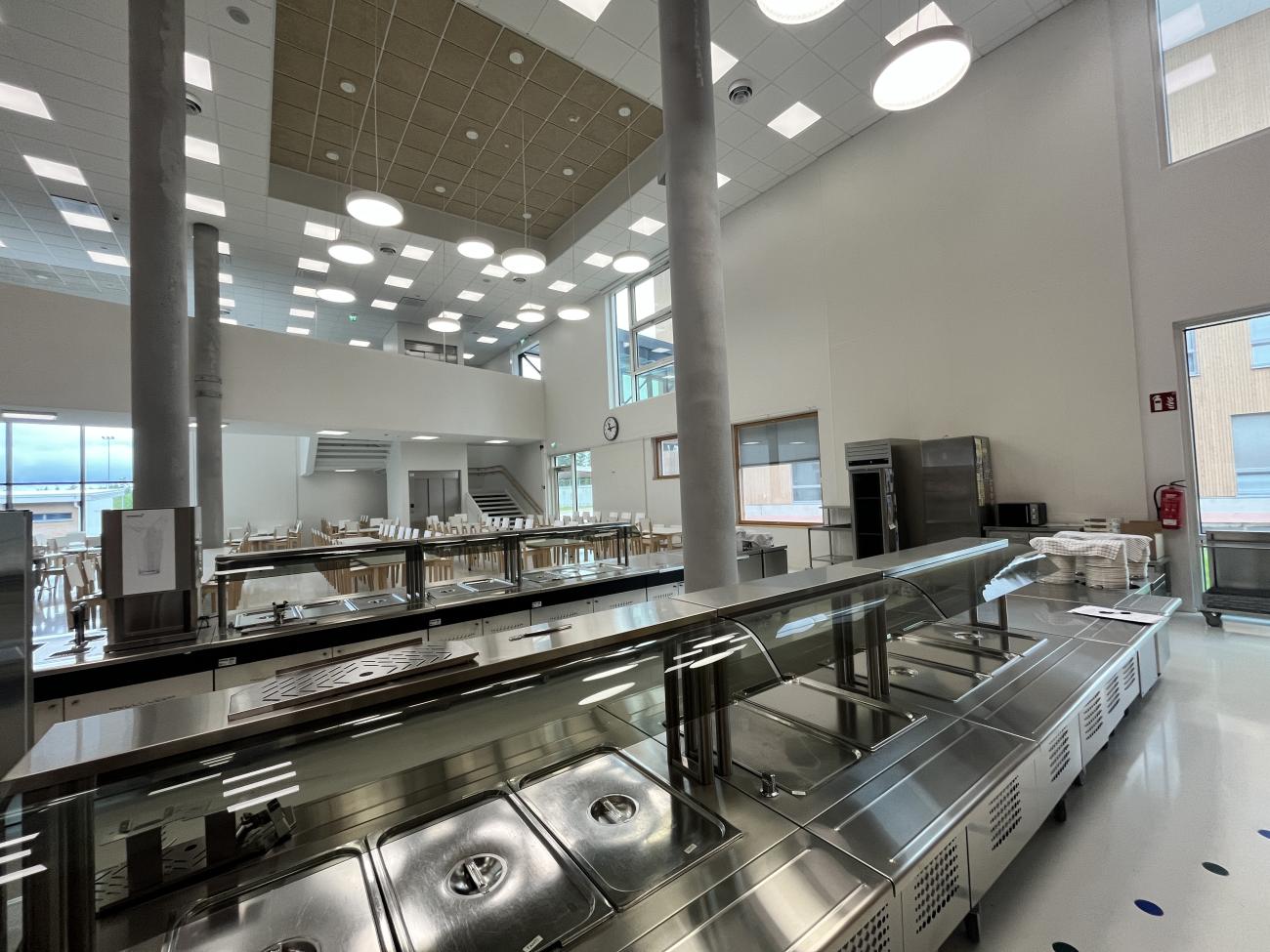
Every day, the city of Seinajoki, in western Finland, serves thousands of meals in schools and daycare centres. Knowing exactly how much food to prepare, however, is not always straightforward. Actual participation can differ from forecasts, while manually counting diners creates extra work for kitchen staff and does not always provide the detailed information needed to understand where food is being wasted.
Seinajoki is addressing this by developing a data-driven food service management system that combines automation, artificial intelligence and analytics to improve demand forecasting, reduce food waste and make better use of public resources. Developed with the city’s IT Services and local technology company River IT Oy, the system brings together information on meal participation, food production and waste in a Power BI reporting environment.
“Reliable information is essential for decision-making. When we know more accurately how much food is prepared, how many people participate in meals and how much waste is generated, we can forecast demand more effectively and allocate resources more wisely,” says Riina Puranen, Food Services Specialist at the City of Seinajoki.
Counting meals without counting people
Reliable information about how many people actually eat a meal is central to better forecasting. To generate this data without adding work for staff, Seinajoki is introducing an automated plate-counting system.
 A smartphone installed above a serving line or dish-return area uses image recognition to detect and count plates as they pass beneath it. The system does not identify individuals. Its camera angle is restricted and it detects circular objects such as plates rather than people.
The original camera images are also not continuously transmitted to the cloud. Instead, the system uses information about detected objects to make sure each plate is counted only once, helping reduce data transfer and protect privacy.
The technology has already been piloted in six schools, with plans to expand it to a larger number of schools across the city.
“For plate counting, we use an AI-powered computer vision model that identifies plates from a live video stream in real time,” says Pasi Kokko, CEO of River IT Oy. “At the same time, we wanted to ensure that the solution remains lightweight, cost-effective and secure from a data protection perspective.”
Turning participation into better planning
The plate-counting data gives food services a clearer picture of how many students actually participate in school meals and how these patterns change over time. Future development aims to provide school principals and other stakeholders with information on participation levels, including how many students eat school meals and how many skip lunch. This could help schools improve the overall meal experience and encourage greater participation.
It also gives kitchen teams a stronger basis for deciding how much food to prepare. This matters because overproduction creates both unnecessary costs and avoidable environmental impacts.
Bringing different city systems together
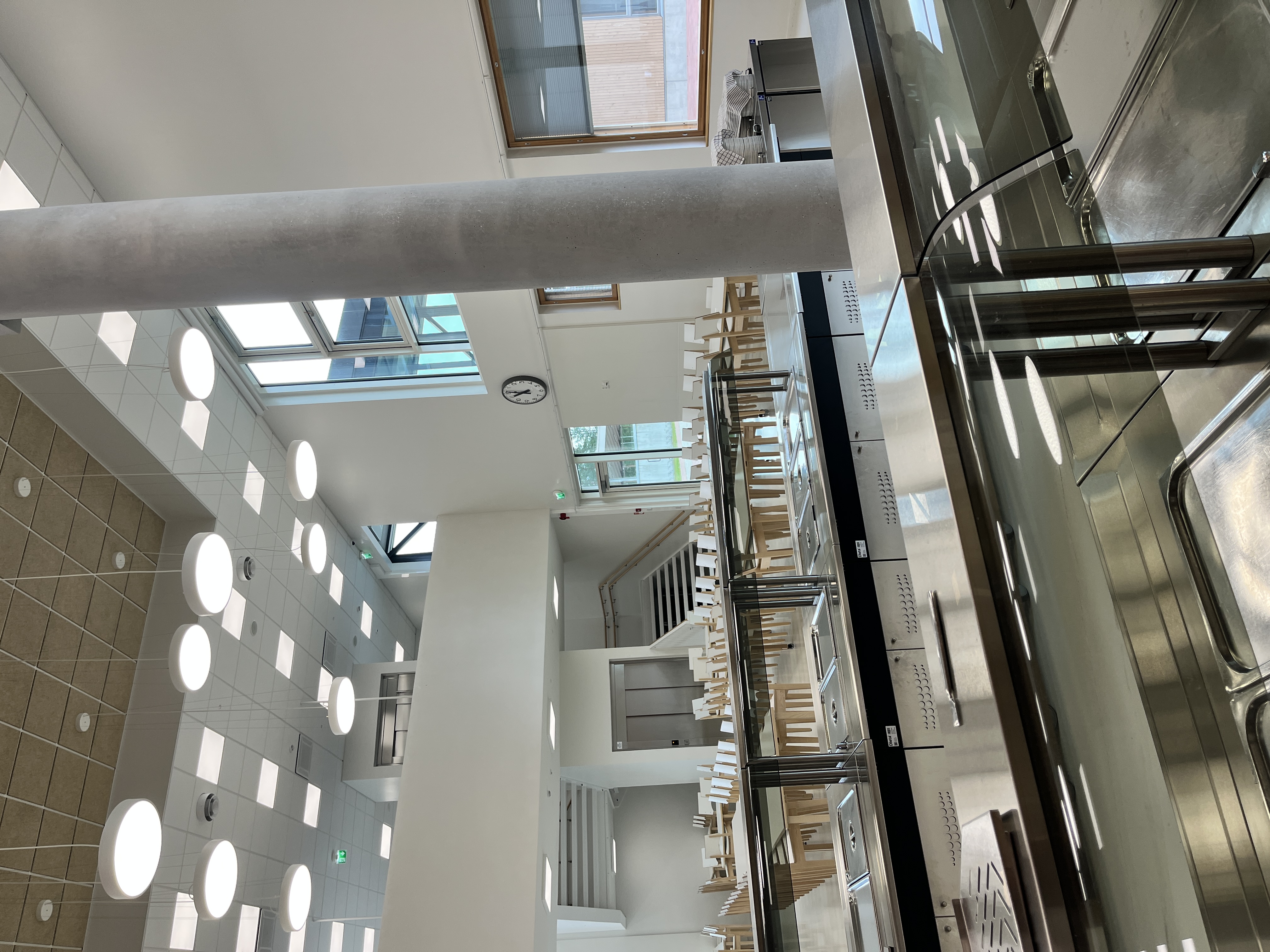 A key feature of Seinajoki’s approach is that it connects information from several municipal systems. Menu data, prices and prepared quantities come from the Aromi production management system. Daycare meal participation is provided through Daisy, while school meal participation comes from automated plate counting. Food waste is recorded through the Haasku application, and the city is also evaluating Primus data to compare planned and actual participation.
Together, these sources give the city a more complete picture of what is expected, prepared, consumed and wasted. The data can support menu planning, help identify the most popular meals and show how recipe or menu changes affect participation.
It can also highlight factors contributing to waste, compare planned and actual participation, calculate the financial cost of food waste and make its environmental impacts more visible.
“The city has access to a significant amount of valuable information across different information systems,” explains Sami Varjo, IT Director at the City of Seinajoki. “By combining this data and automating reporting processes, we can reduce manual work, improve data quality and make decisions based on up-to-date information.”
Making food waste easier to record
Another important part of the system is Haasku, a digital application developed specifically for monitoring food waste in municipal kitchens in cooperation with the City of Seinajoki and River IT Oy.
Kitchen staff can use it to record plate waste, serving waste, donated food and storage or inventory waste. Daily menu information is imported automatically from the Aromi system, reducing manual work and improving data quality.
The system includes mobile and web applications, cloud-based services and reporting tools designed for use across multiple locations. This makes it easier for the city to monitor waste consistently and compare results between kitchens.
Putting AI into everyday work
 Artificial intelligence is also used in practical ways within the system. The automated meal counter runs a lightweight computer-vision model directly on an Android device, detecting plates from a live video stream in real time. It has been designed to work on affordable devices and can operate without a network connection
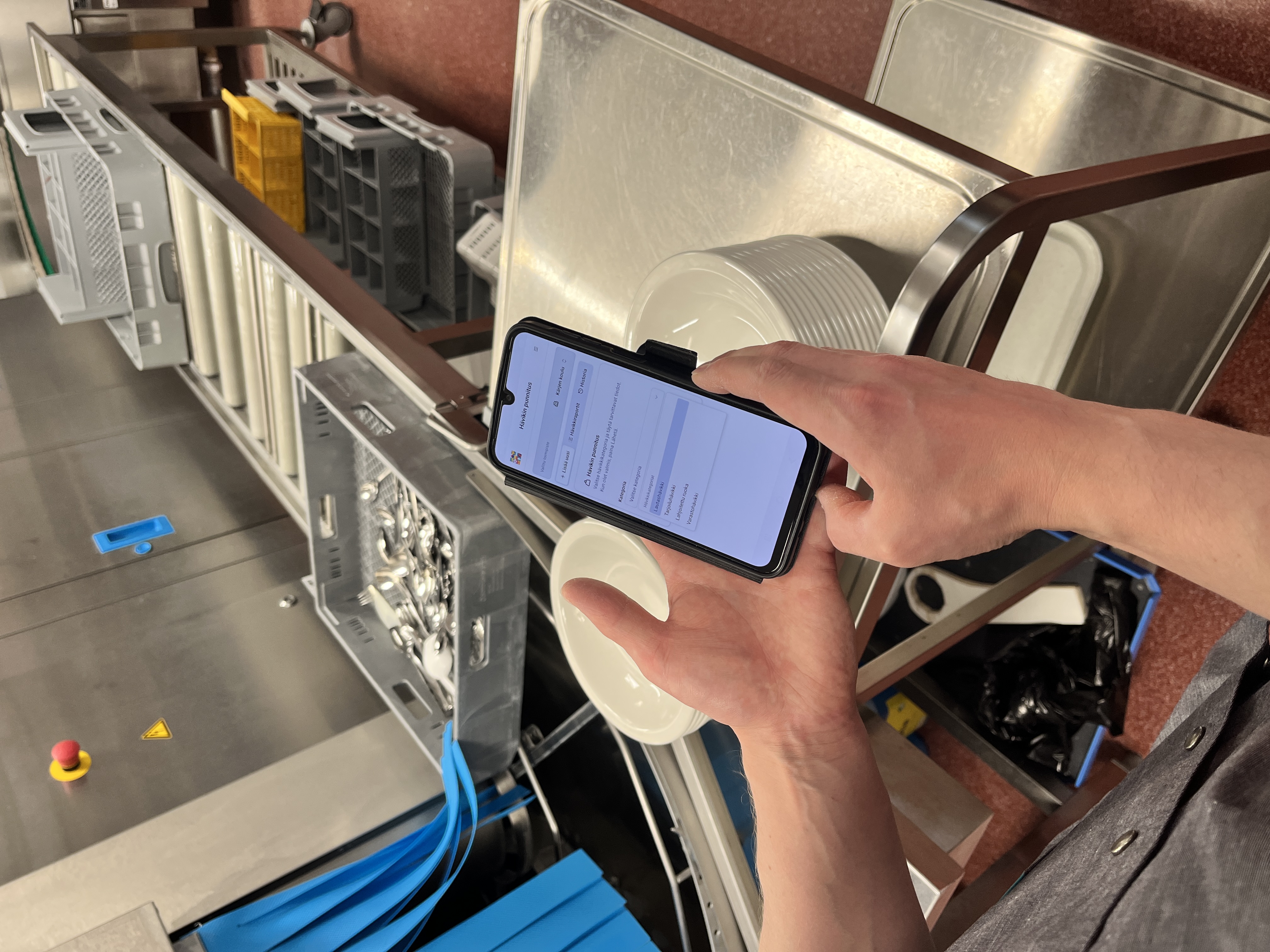
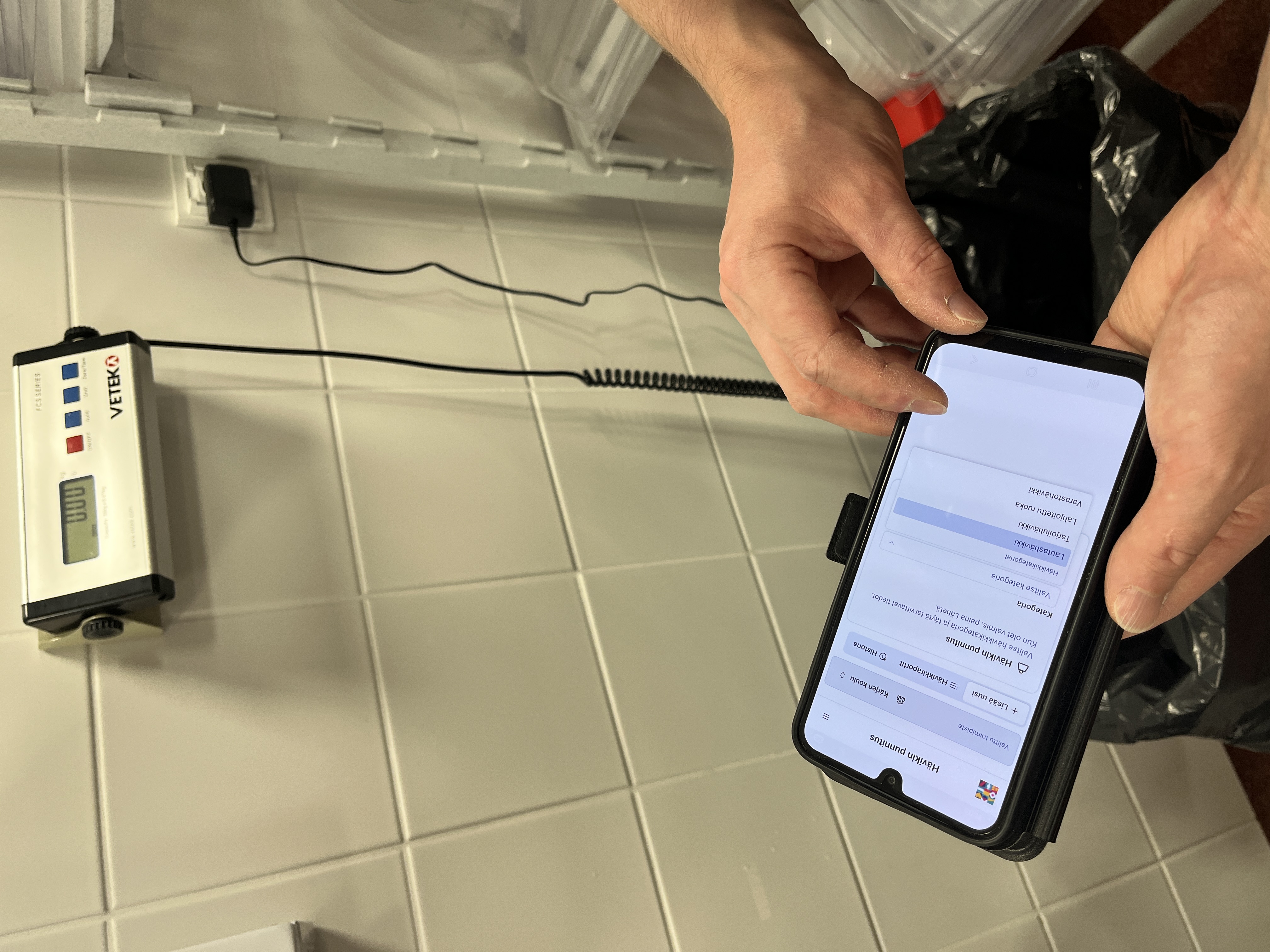
Haasku also uses AI to simplify food-waste recording. Kitchen staff can take a photograph of the display on a digital scale. A vision-capable AI model reads the weight and unit and returns the information in a structured format, reducing manual input and improving speed and accuracy.
These examples show how AI can support relatively small everyday tasks rather than only large-scale or experimental applications.
“When information becomes automatically available and easy to utilise, we can manage operations based on a much clearer overall picture. This helps identify development needs and monitor the impact of implemented measures,” Varjo adds.
From better data to less waste
Seinajoki’s broader data collection and analytics programme is expected to be completed by the end of 2026. The work so far has already shown that automated plate counting can provide reliable information on actual meal participation without creating extra work for kitchen staff. Combined with food-waste data from Haasku, this gives the city a stronger basis for decision-making. Better forecasts can help kitchens prepare more appropriate quantities, while better waste data can show where changes are needed and whether waste-reduction measures are working.
The system can also help share successful practices between kitchens and give staff measurable evidence of the impact of their work. By analysing meal participation, food waste and production information together, the city can develop services that better meet user needs while supporting environmentally and economically sustainable decisions.
An approach other cities can adapt
One of the strengths of Seinajoki’s model is that it relies on readily available technologies, including smartphones, Android applications, cloud services, computer vision and business intelligence tools. The solution has been designed so that other municipalities could adapt it to improve food-waste monitoring, analyse meal participation and make public food services more sustainable.
For the local government in Seinajoki, digital transformation starts with a practical question: how much food do people actually need?
By connecting data on meals, participation and waste, and by using AI to automate small but time-consuming tasks, the city is turning that question into better everyday decisions that can save resources, improve services and reduce food waste.
***********
The city of Seinajoki is one of the most recent Living-in.EU signatories, joining the initiative in March 2026, but already sharing its digital solutions with the community.