

Rotterdam explores the Citiverse to connect people and public services
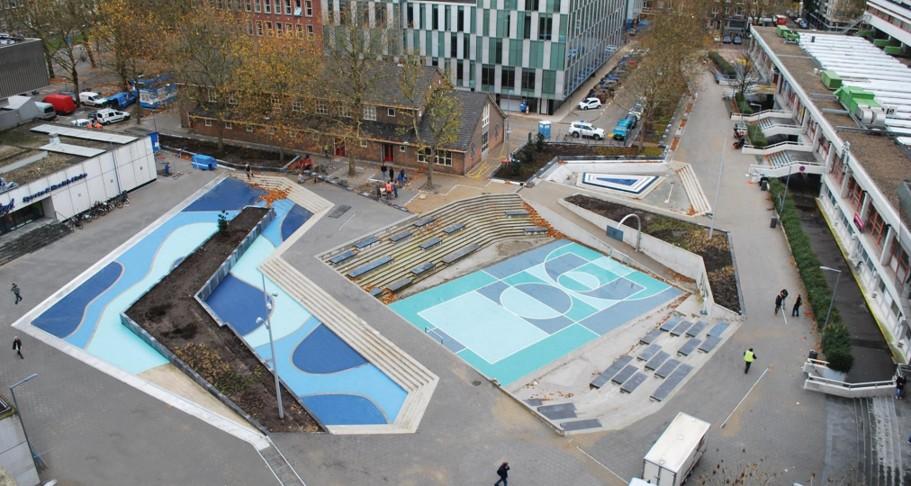
What began as an idea about giving residents a digital representation of their own homes is becoming part of a much wider vision for Rotterdam. Over the past decade, the city has experimented with Local Digital Twins, open urban platform and immersive technologies to understand how digital tools can improve public services and help residents engage with their city.
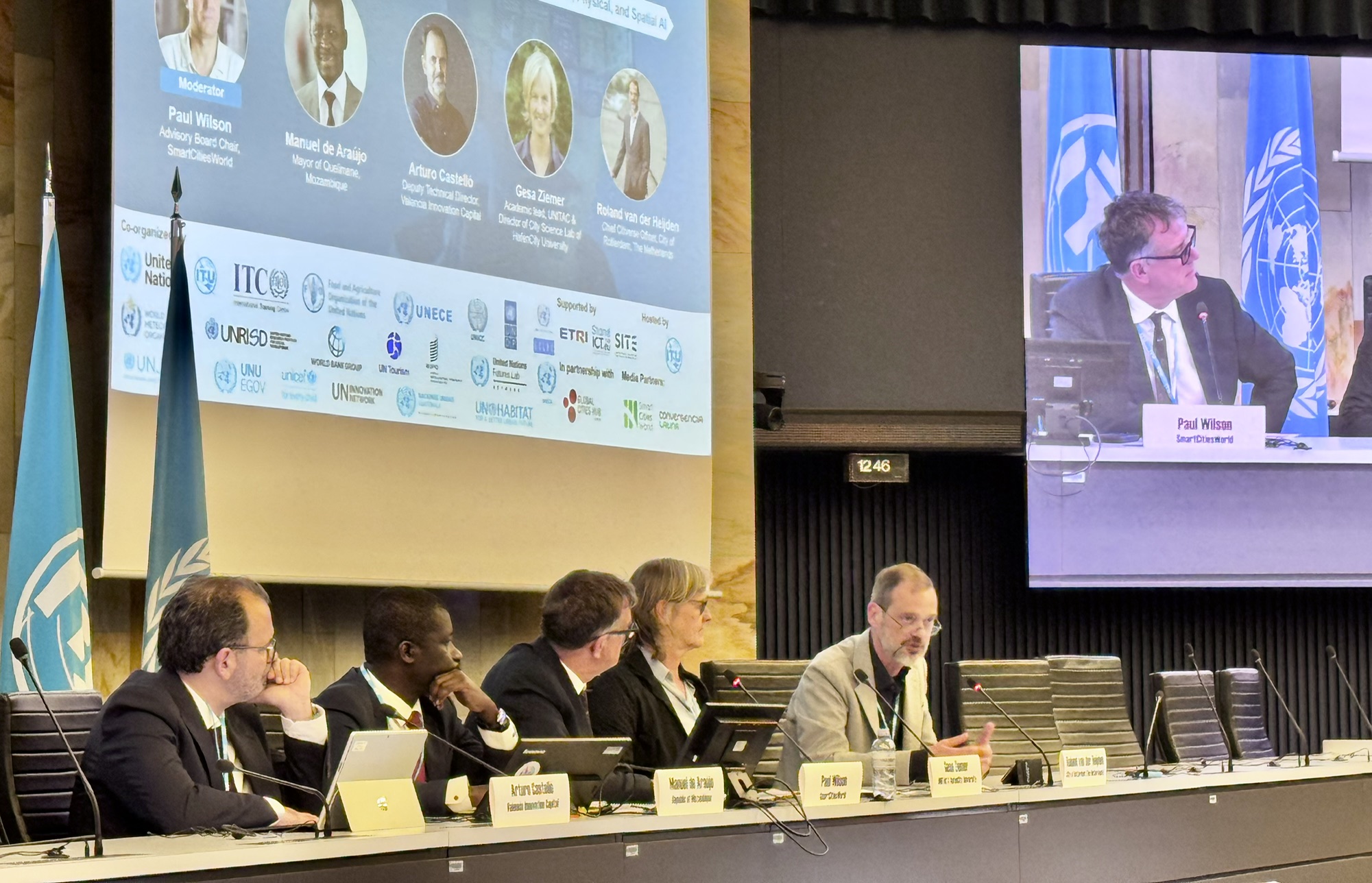
That journey now forms part of the Citiverse, a European approach that connects virtual, physical and social environments while keeping public values, local control and interoperability at its core. For Rotterdam, the Citiverse is not simply about building a virtual version of the city. It is a digital ecosystem in which people, places, public services and data can work together more effectively. “The Citiverse is not a destination. It is a collaborative journey in which technology, people and public values evolve together,” says Roland van der Heijden, Chief Citiverse Officer, Municipality of Rotterdam.
A European approach to digital cities
Rotterdam’s work is closely linked to a wider European effort to develop digital infrastructure based on open standards and shared public values. The launch of the Living-in.EU movement in 2019 helped establish a common approach to digital transformation based on interoperability, meaning that cities, systems and organisations can work together rather than developing isolated solutions, and speak with one, stronger voice, to the market.
At the same time, Local Digital Twins have evolved from relatively static 3D city models into more dynamic systems capable of connecting multiple types of data and services. These developments helped shape the Citiverse as a citizen-centred European alternative to more commercially driven virtual environments.
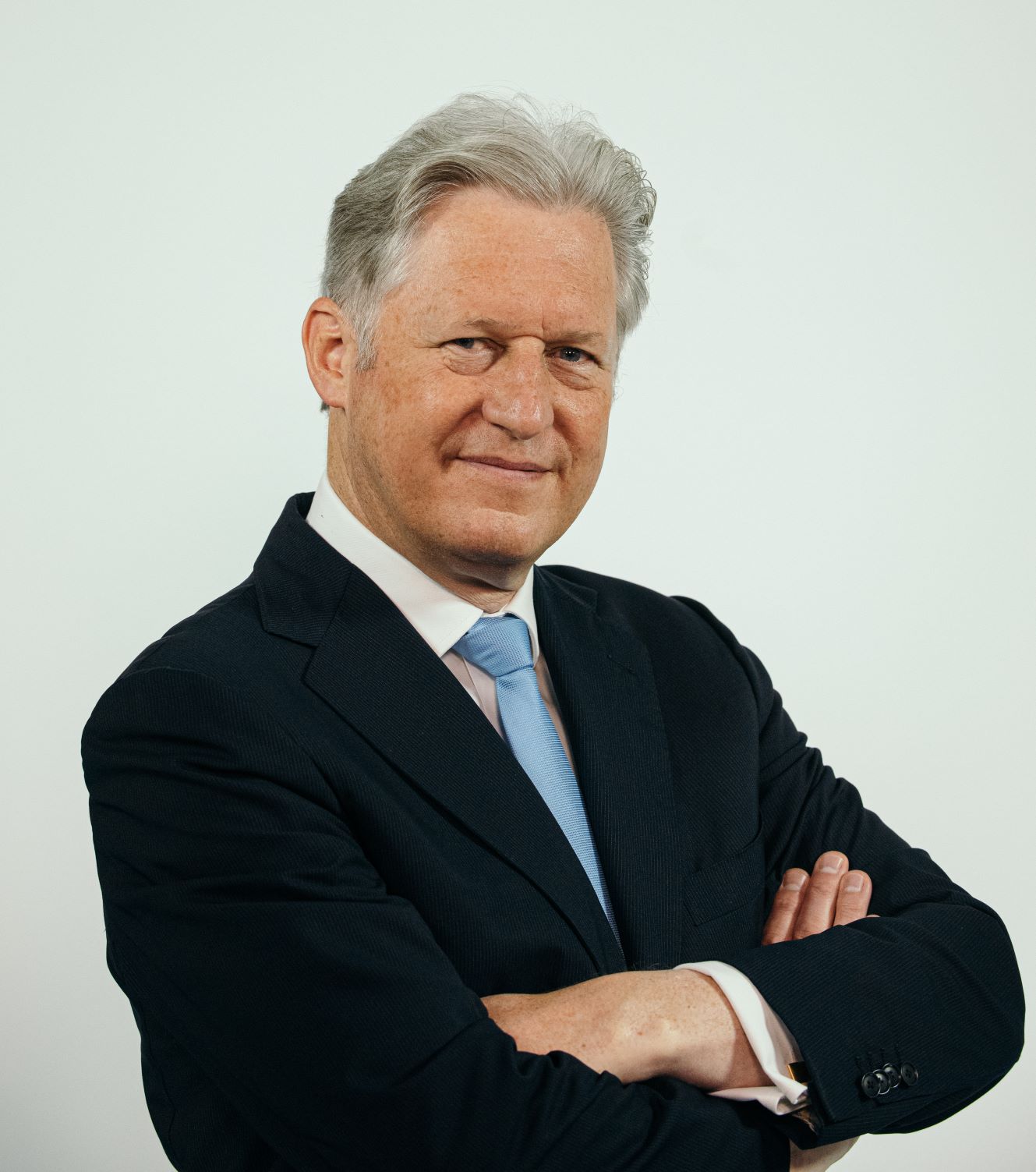
As Eddy Hartog, former Head of Unit for the European Commission’s DG CONNECT, puts it, “Within the Commission we felt that in a digital world it is doable to bring all 80,000 cities and communities in the EU together in a collective effort.”
Today, the LDT CitiVERSE EDIC is taking this ambition further by working towards a network of interoperable Local Digital Twins across Europe. Rather than creating one central European digital twin, the aim is to allow cities to retain local control while sharing data, services and innovations.
From digital twins to an open urban platform
Rotterdam has helped shape this development through years of experimentation. European projects including ESPRESSO and RUGGEDISED supported the city’s work on digital innovation and helped its Local Digital Twin evolve into a broader Digital City model. That work eventually contributed to the launch of Rotterdam’s Open Urban Platform, a shared digital foundation through which organisations can exchange data securely and develop new services.
Rather than seeing digitalisation as a stand-alone technology project, Rotterdam has increasingly connected it with questions around governance, public participation and the future of urban life. “The Citiverse as a concept helps us understand better how our social, physical and digital dimensions merge into a new reality our citizens will live in,” says van der Heijden.
Testing the Citiverse with communities
A key part of Rotterdam’s approach is testing what the Citiverse could mean in real neighbourhoods and institutions. Through its Citiverse programme, the municipality works with partners from government, education, business and civil society on initiatives including Digital Humans, the Future City Lab, Personal Vaults and Autonomy.
One of the most visible initiatives is x-Cite, developed within the wider Citiverse programme and linked to Rotterdam’s participation in the LDT CitiVERSE EDIC. The project explores immersive digital applications in real community settings, including the Oud-Mathenesse neighbourhood and the B&D Lab at Beauty and Fashion College Zadkine.
Working with partners in Flanders and Tampere, the programme is developing applications intended to be engaging, inclusive and accessible. Each experiment also provides lessons about interoperability, Local Digital Twins, privacy, ownership and digital participation.
Brenda van Breemen, Programme Manager Rotterdam Citiverse, explains: “Public space is no longer solely physical, it also encompasses the digital environment.”
Connecting social and physical challenges
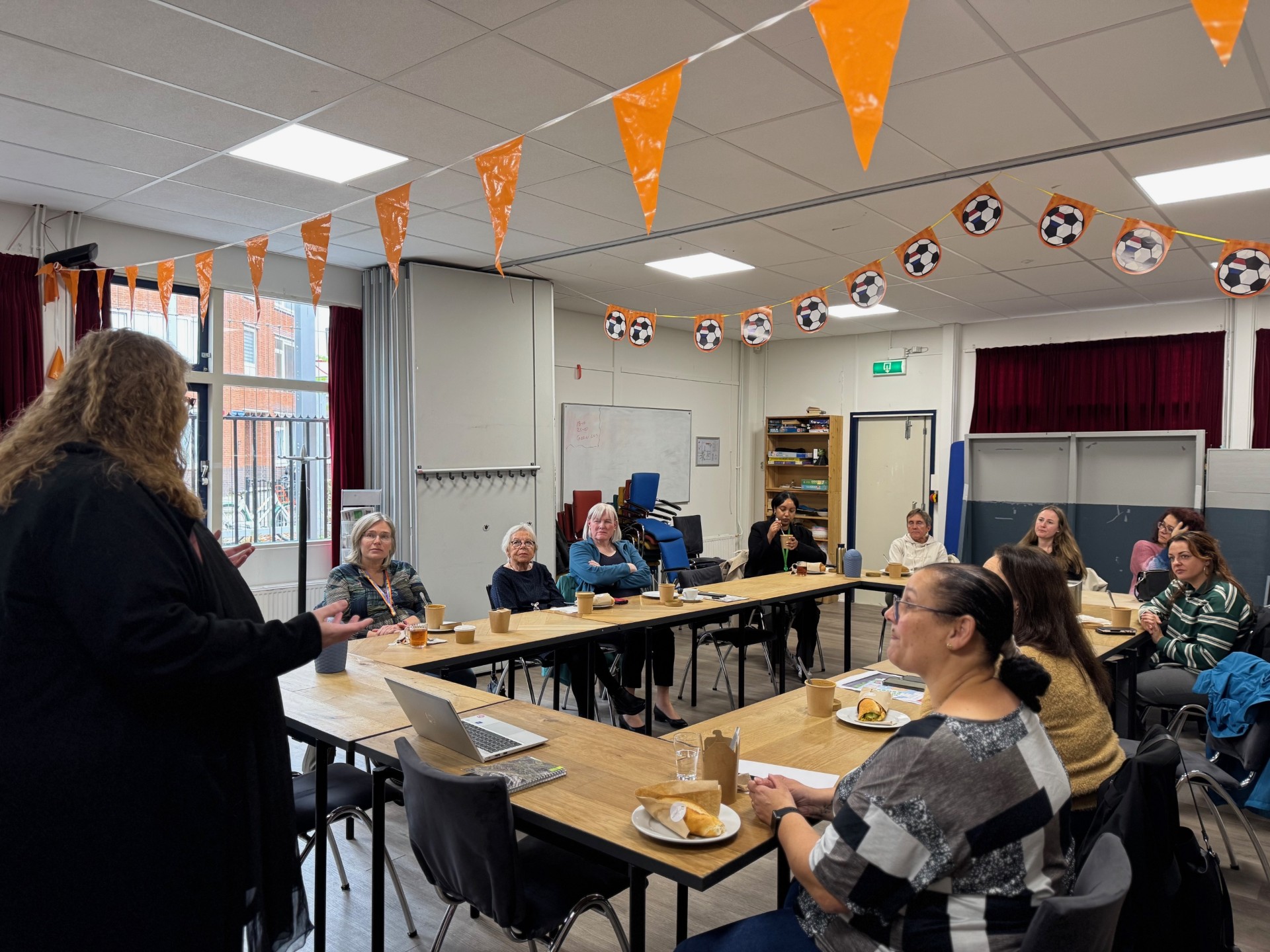
Rotterdam is also exploring how Local Digital Twins can go beyond physical infrastructure. Within the Dutch branch of the LDT CitiVERSE EDIC, the city is looking at how digital twins can incorporate social challenges alongside environmental and spatial data.
This includes topics such as housing, citizen participation and new forms of engagement. The aim is to understand how digital tools can help people not only see what is happening in their neighbourhood, but also take part in shaping it.
That makes the Citiverse as much a governance and participation challenge as a technical one. Questions around privacy, ownership, access and inclusion are therefore central to Rotterdam’s experimentation.
A digital city built around public value
The Citiverse is still developing, and Rotterdam does not present it as a finished model. Instead, the city is continuing to test what works, learn from different partners and contribute those lessons to wider European cooperation. The long-term goal is not technology for its own sake. It is to create digital tools and environments that make the city easier to understand, more accessible and more responsive to residents.
For citizens, that could mean something relatively simple: a better understanding of their neighbourhood, a stronger voice in shaping it and easier access to public services.
Rotterdam’s experience shows that the next stage of digital transformation will depend not only on better technology, but on stronger collaboration between cities, communities and public institutions.
As van der Heijden says, “The Citiverse is not a destination.” For Rotterdam, it remains an ongoing process of exploring how physical, social and digital city life can work together.
******
The city of Rotterdam was one of the first cities to join the Living-in.EU initiative and support the idea of collaboration at European level to promote the European way of digital transformation among cities and communities. Rotterdam has been active across all five working groups, contributing by sharing good practices and experience from their local digital twin and on topics such as AI, digital sovereignty and digital identity. Rotterdam was one of the first cities to fill in LORDIMAS and contributed to the design and alpha testing of the self-assessment tool before its official launch.