

Riga turns European innovation into smarter public services
From 5G-connected drones to digital twins and responsible artificial intelligence, the city of Riga is testing how new technologies can solve practical challenges facing the city and its residents.
The Latvian capital is using direct EU funding to develop and test digital solutions in areas ranging from public safety and energy planning to artificial intelligence and public procurement. The focus is not simply on adopting new technology, but on creating solutions that can work in real urban environments and eventually become part of everyday municipal services.
“Riga’s ambition to become a climate-neutral and smart city depends on our ability to connect technological innovation with the real needs of our residents,” says Viesturs Kleinbergs, Mayor of Riga.
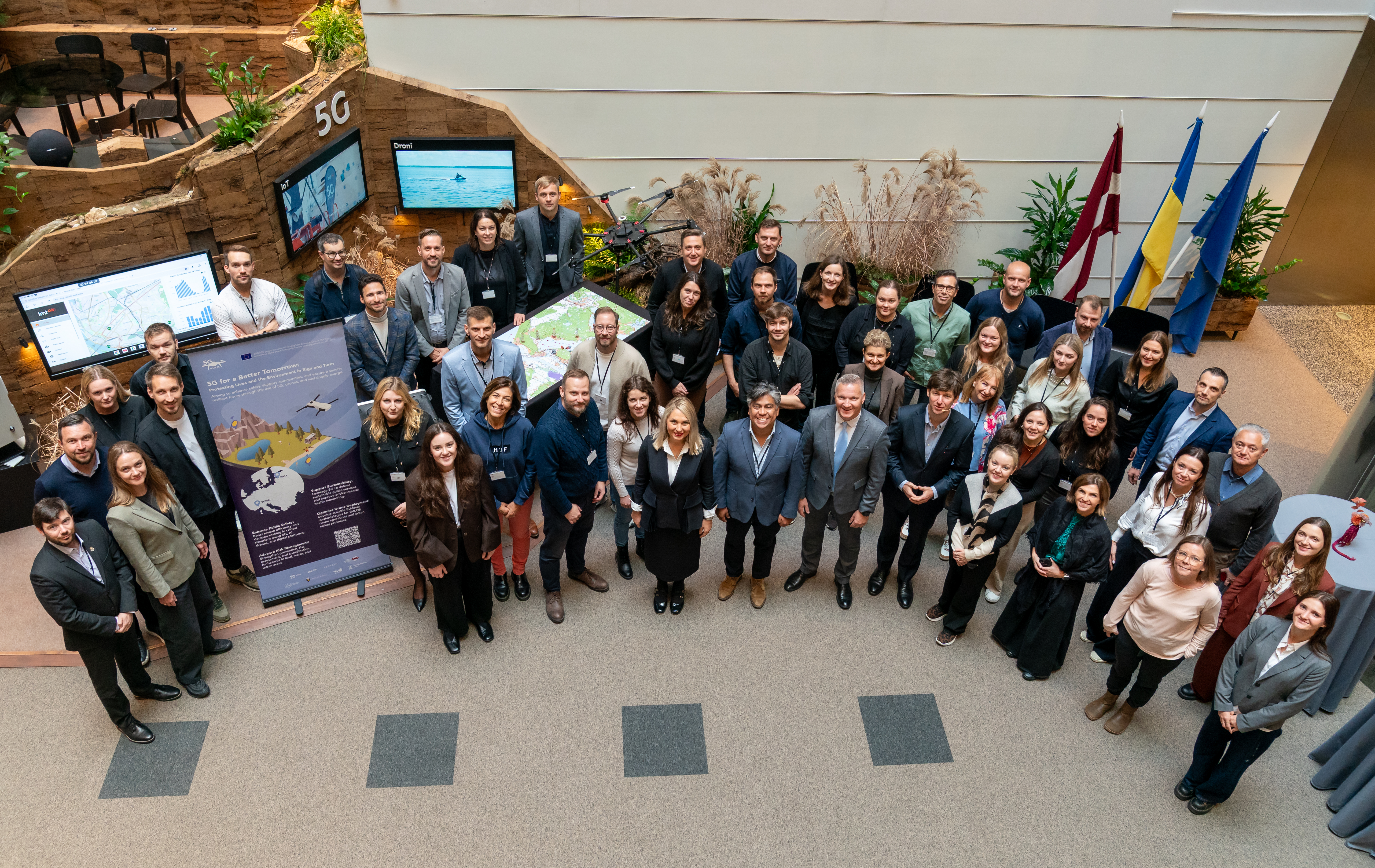
Four European projects are helping the city do this. 5G4LIVES is testing connected drones for public safety and emergency operations. ExPEDite is developing a digital twin for energy and urban planning. AI4Citizens is strengthening responsible and ethical AI governance, while IPROMO is helping public authorities procure innovative solutions more effectively. Together, they show how cities can connect technology, data, governance and procurement to turn promising ideas into practical public services.
Using 5G and drones to support public safety
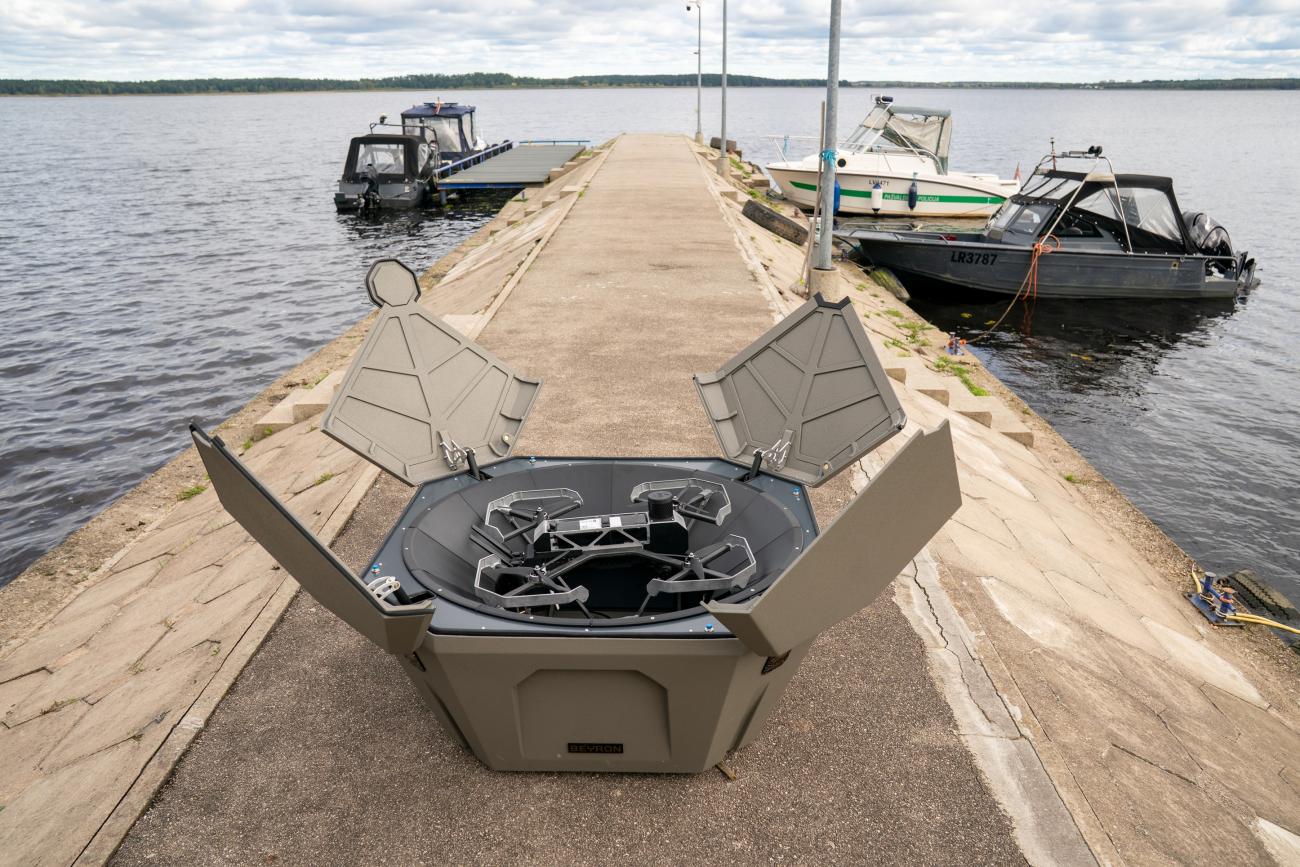
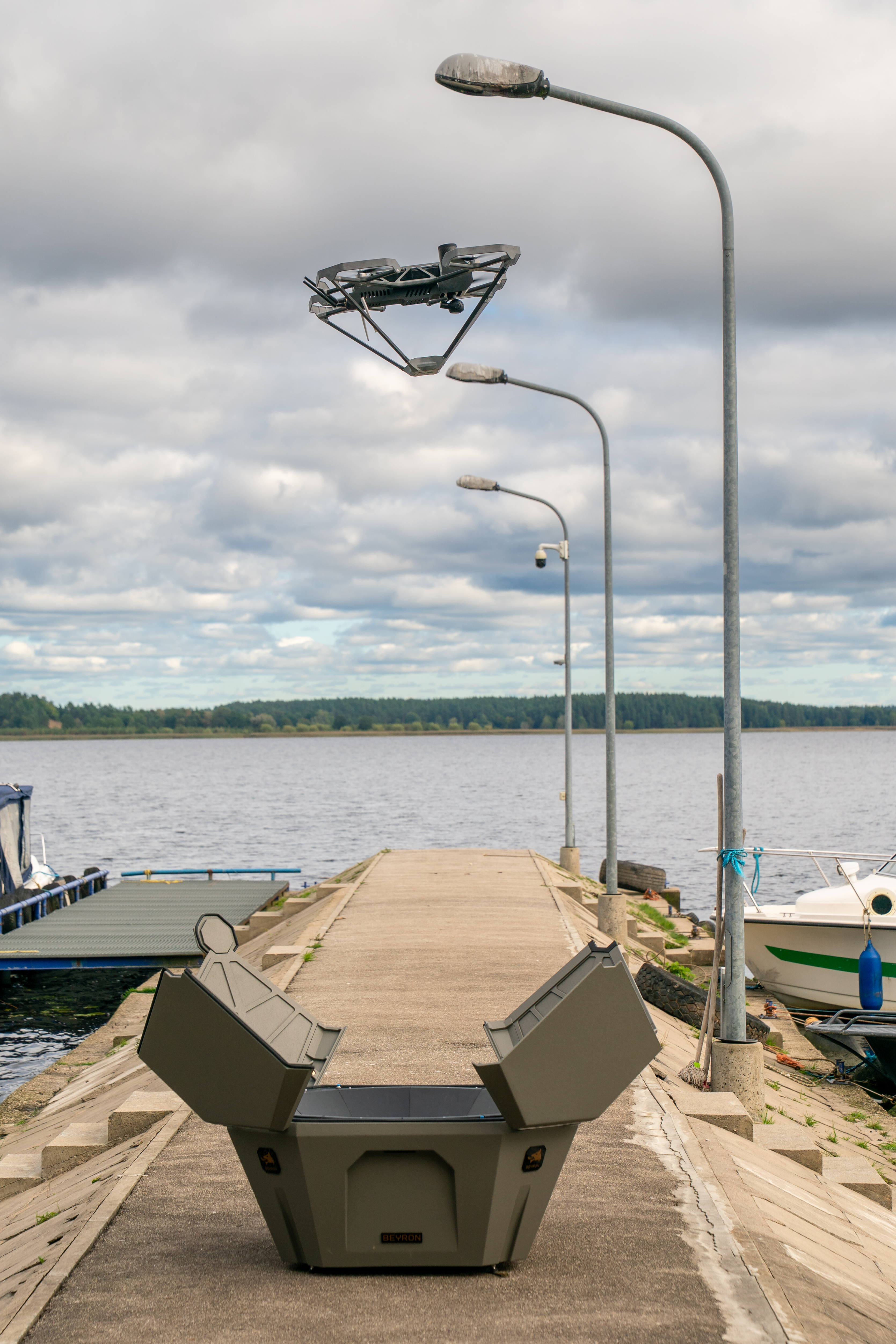 One of the most visible examples is 5G4LIVES, a CEF Digital project led by Riga. With a total budget of around €3.83 million, including approximately €2.87 million in EU funding, the project is testing how 5G-connected drones can support public safety and environmental monitoring.
In Riga, an on-demand drone service is being developed and tested around Vecāķi Beach and Lake Ķīšezers. During summer, it can support beach and water-safety operations, while in winter it can help monitor frozen water bodies.
Live visual and thermal images are transmitted to a Remote Operation Control Centre, giving operators information about potential risks before personnel are sent into potentially hazardous situations. The system goes well beyond flying a drone. It combines remote control, live video and telemetry, computer vision, meteorological information and detailed measurements of 5G connectivity along flight corridors. Computer vision can also detect and classify people and watercraft and help operators locate them. Projects such as 5G4LIVES “strengthen public safety and introduce new solutions responsibly,” says Kleinbergs.
The technology is already being tested in real municipal public-safety operations, helping Riga identify the connectivity and operational constraints that must be understood before such services can be expanded. The longer-term ambition is a scalable “Drone as a Service” approach that could, following the necessary validation and approvals, be adapted to climate-related emergencies such as storms, wildfires or landslides.
A digital twin for better energy planning
Riga is also exploring how digital tools can help planners understand the interaction between buildings, energy, mobility and the wider urban environment.
The Horizon Europe-funded ExPEDite project is developing a modular digital twin for the real-time monitoring, visualisation and management of district-level energy flows. Riga Technical University coordinates the project, with Riga Digital Agency and Riga Energy Agency among the partners. The technology will allow planners to test different scenarios involving energy production and demand, building performance, mobility and transport. The Riga testbed is the Ķīpsala living lab, covering buildings on Riga Technical University’s student campus. Rather than examining individual buildings or measures separately, the digital twin can bring information from different systems together and help planners understand how interventions interact across an entire district.
This is part of Riga’s effort to “use data more effectively, improve energy and urban planning,” says Laine Celma, Director of Riga Digital Agency.
The project has also been designed with replication in mind. Its open and modular architecture, reusable models and planned practical guidance should allow other districts and cities to build on the approach rather than developing their own digital twins from scratch.
Making AI useful and trustworthy
Technological innovation also raises new questions for city governments. Artificial intelligence has the potential to improve public services and administrative efficiency, but its use can create challenges involving privacy, security, data quality, bias, transparency and public trust.
Through the Interreg Europe-funded AI4Citizens project, Riga is working with other cities and regions including Amsterdam, Helsinki and Tampere to identify good practices and improve the governance needed for the safe, ethical and effective use of AI in government.
For Riga, the project is less about adopting one particular AI tool than creating the conditions in which different technologies can be used responsibly. This includes clear responsibilities, reliable data, appropriate risk assessment, staff skills and safeguards for residents. The objective is to ensure that innovation can move beyond isolated pilots and develop into dependable municipal services.
Helping cities buy innovation
Having promising technological solutions is not enough if cities cannot procure them. Traditional public procurement is often designed around purchasing products and services that already exist. Urban innovation can work differently. A city may know the problem it needs to solve without knowing exactly what the eventual solution will look like.
The EIT Urban Mobility-supported IPROMO project addressed this challenge by examining the obstacles preventing Latvian public authorities from making greater use of innovation procurement and developing practical guidance for municipal staff. Workshops involving municipalities, national authorities and experts explored how cities can define an innovation need, engage with potential suppliers, manage risks and pilot new procurement approaches. The work highlighted practical barriers, including the resources required during the planning phase and the need to combine technological, legal, administrative and project-management expertise. It also showed the importance of identifying and managing risks before a tender is launched.
These lessons extend beyond Riga. If cities are expected to innovate, their procurement systems must also be capable of buying solutions that may not yet exist in a conventional form.
Connecting the pieces
Taken individually, Riga’s four projects address very different challenges. Together, however, they form a more complete model for urban innovation.
IPROMO helps the city identify needs, engage with the market and procure innovation. AI4Citizens provides a framework for governing data-intensive and AI-enabled services.
ExPEDite demonstrates how data and modelling can improve energy and climate planning. 5G4LIVES then shows how connectivity, sensing and remote technologies can work in real public-safety operations.
For other cities, the lesson is not necessarily to replicate the same technologies. It is to build the conditions that allow innovation to succeed, from identifying a genuine public need and involving users to establishing good governance, testing solutions under realistic conditions and planning how successful projects will operate after EU funding ends.
“By testing these approaches in real urban environments and sharing our experience with other European cities, we are laying the foundation for more sustainable, resilient and people-centred public services,” says Kleinbergs.
European cooperation is an important part of that process. Riga can draw on specialist expertise and shared solutions through EU projects while contributing its own municipal test environments and practical experience. Through networks like Living-in.EU and Eurocities, these lessons can then be shared with cities elsewhere in Europe.
For Riga, this is ultimately what makes digital transformation valuable. Innovation is not the objective in itself. Its value comes from whether a new tool can help public authorities make better decisions, provide safer and more effective services and respond more closely to what residents need.
*********
The city of Riga has been involved in Living-in.EU since the early days of the movement, reconfirming its commitment in November 2023, when Riga signed the Join, Boost, Sustain declaration at the signing ceremony during the Smart City Expo World Congress in Barcelona.
Inga Barisa, from Riga Digital Agency, chaired the Living-in.EU financial working group and contributed heavily, sharing Riga experience with EU funding and projects, including all the projects mentioned in this article. Riga was also one of the first cities to use the LORDIMAS self-assessment tool when it was launched in 2023, and supported other Latvian cities to use it. The Living-in.EU secretariat wishes to thank the city of Riga for its invaluable contribution.