

OpenCouncil uses AI to make local democracy more transparent
When did my municipality approve a new cycling lane? How have local representatives voted in the recent city council debate on green spaces, and where can I watch a recording of the council meeting?
For many citizens, finding the answers to these questions is not always easy: Whether checking for the development of available housing in their neighbourhood or the approval of funding for cultural and sports facilities, residents need access to council agendas, discussions, decisions, and voting records. However, this information is often scattered across multiple platforms, published in different formats or buried in long administrative documents.
Making local democracy more accessible
Transparency is key to enabling local democracy and civic participation in cities: Across Europe, local governments are increasingly recognising the potential of digital transformation to make public decision-making more accessible and provide citizens with a better understanding of politics in their city.
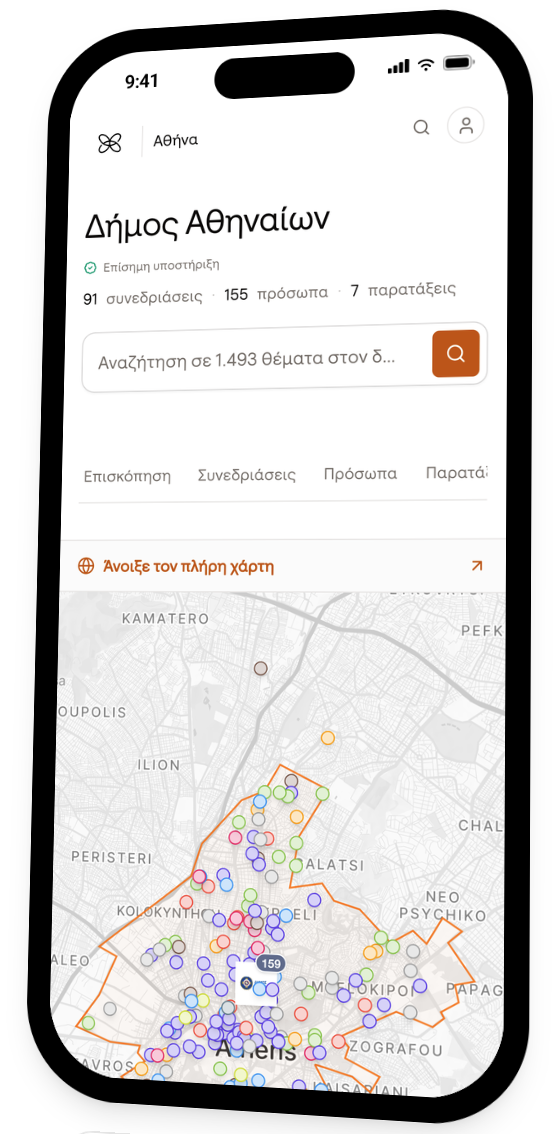
One initiative responding to this challenge is OpenCouncil: This open-source platform uses AI to make municipal council meetings searchable and understandable to residents. By bringing together information such as meeting recordings, agendas, debates and decisions, it aims to promote transparency, civic engagement, and efficient governance at the local level.
The platform transcribes multi-hour council meetings and automatically breaks them into individual subjects, summarising each speaker's position and mapping decisions to the affected neighbourhoods. A key feature of OpenCouncil is its notification system: Residents wanting to stay informed are notified about issues relevant to them via mobile phone.
From Council meetings to searchable information
In its efforts towards increased transparency, the platform also acts as a repository by building a searchable database of council meetings and decisions, allowing users to retrieve relevant information on demand. This feature benefits not only interested residents, but also experts working in municipal administrations, journalists reporting on city decisions and citizen collectives engaging in the improvement of urban life.
As the founder of OpenCouncil, Christos Porios, puts it: “OpenCouncil is trying to solve a very simple problem: When something is happening in your neighbourhood that is being discussed in the municipal council or your local community board, you simply never find out about it, whether it is traffic regulations, repairs at your kid’s school or large urban redevelopment projects.”
OpenCouncil is an initiative by the Greek non-profit Schema Labs, whose mission is to build technology for the public sector that strengthens democracy. In line with the organisation’s work on transparent and reusable innovative solutions, the code for the platform is entirely open source, and data is publicly accessible without registration, enabling the municipality to deploy the application on its own.
Open-source innovation at the local level
The municipality shares meeting agendas and recordings with OpenCouncil to make the platform work. If it should be linked from the municipal website, the city just needs to provide an IT contact. From the signature of the agreement on participation in the platform to the first published meeting, implementation usually takes a few weeks. OpenCouncil provides guidance to the local administration for recording meetings, the hosting and adding new features, or support for reviewing the content.
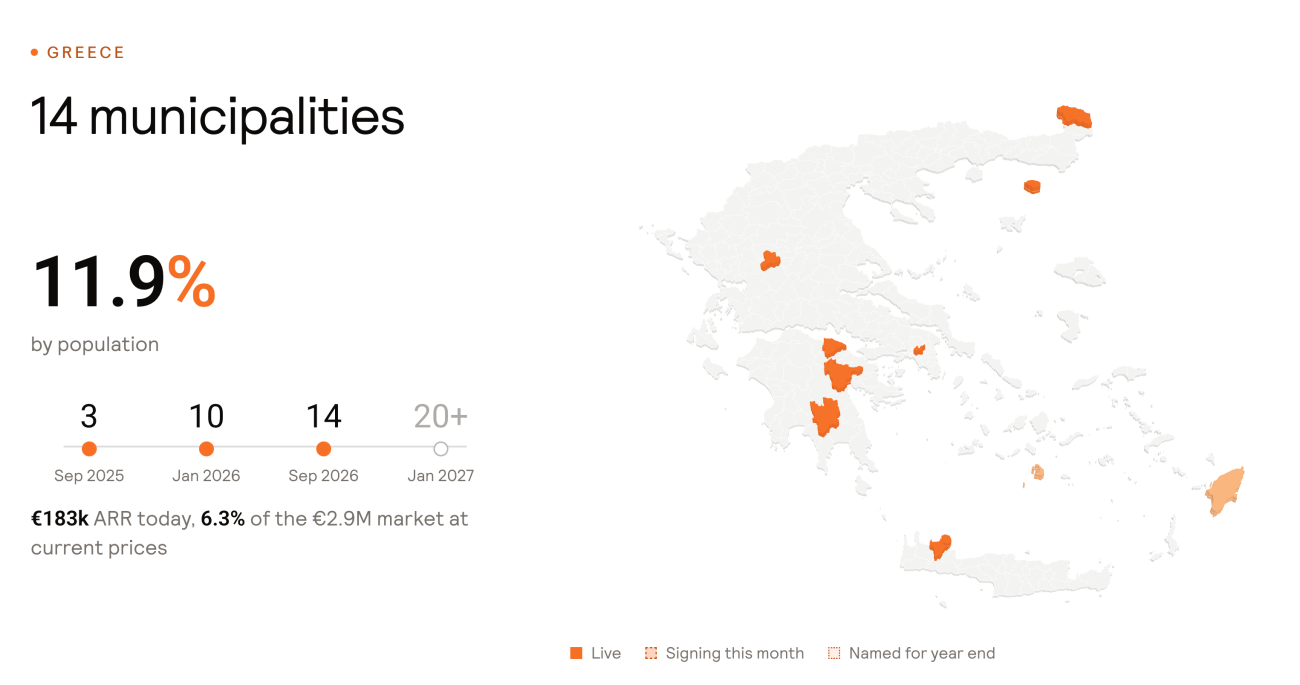
As of September 2026, fourteen municipalities in Greece covering together more than one million residents have adopted the platform in their administrations. The list includes bigger cities such as Athens and Rhodes, but also smaller, more remote municipalities such as Argithea in the mountains of Thessaly and the island of Samothraki. OpenCouncil has already processed and published around 1,750 hours of council, committee and community meetings.
With these advancements, the platform is also gaining visibility as an example of how AI can be applied responsibly in local governments. The Organisation for Economic Co-operation and Development (OECD), which regularly releases reports on digital transformation in public administration, has featured OpenCouncil as a use case in its 2026 report on AI and the future of citizen participation:
“AI-powered transcription, information development, and sense-making tools can be powerful allies of citizens, civil society, and journalists to stay updated with legislative and political debates. The municipalities of Argos, Xylokastro, and Chania in Greece adopted the tool OpenCouncils developed by the non-profit civic tech organisation SchemaLabs to record, transcribe, analyse, and draft reports of their City Council meetings.”
***********
OpenCouncil joined the Living-in.EU initiative as supporter in September 2026. More information is available at https://opencouncil.gr/en/about.